“Plantations”
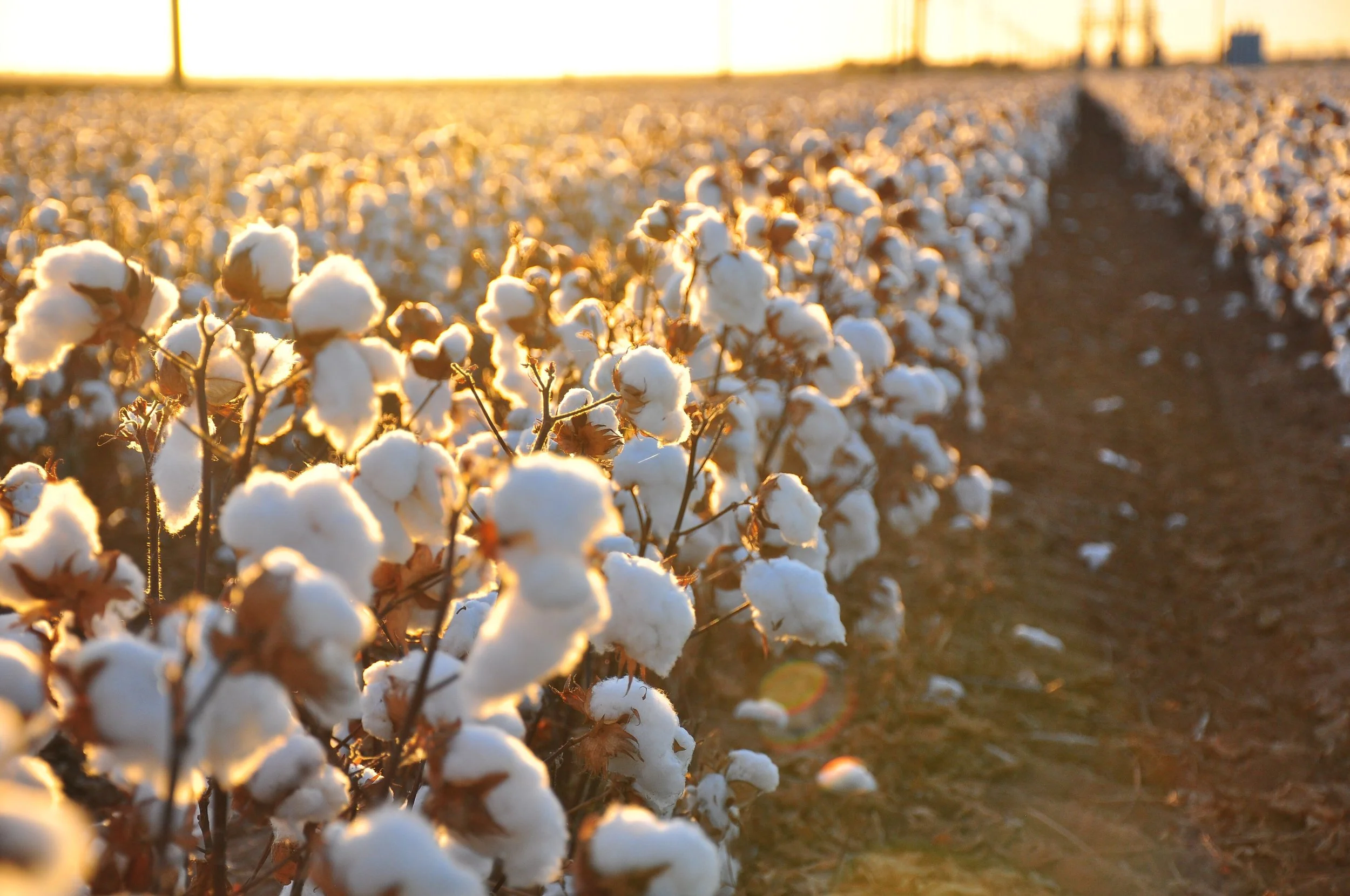
The quintessential Black American heritage type.
When you think of a plantation in the United States, what is the first image that comes to mind?
A palatial estate? Corinthian columns?
For those who are aware of the violent history associated with these sites, other images might come to mind: Black men, Black women, Black boys, Black girls, and Black people beyond the binary working under the threat of additional violence from a White overseer or White enslaver, the legal owner of the land and the Black people he enslaves.
There are other types of U.S. plantations, i.e., forced labor camps that might not come to mind more readily after exploring the “Plantation” Atlas. Let’s explore some of these types below.
“Plantation” Types
-
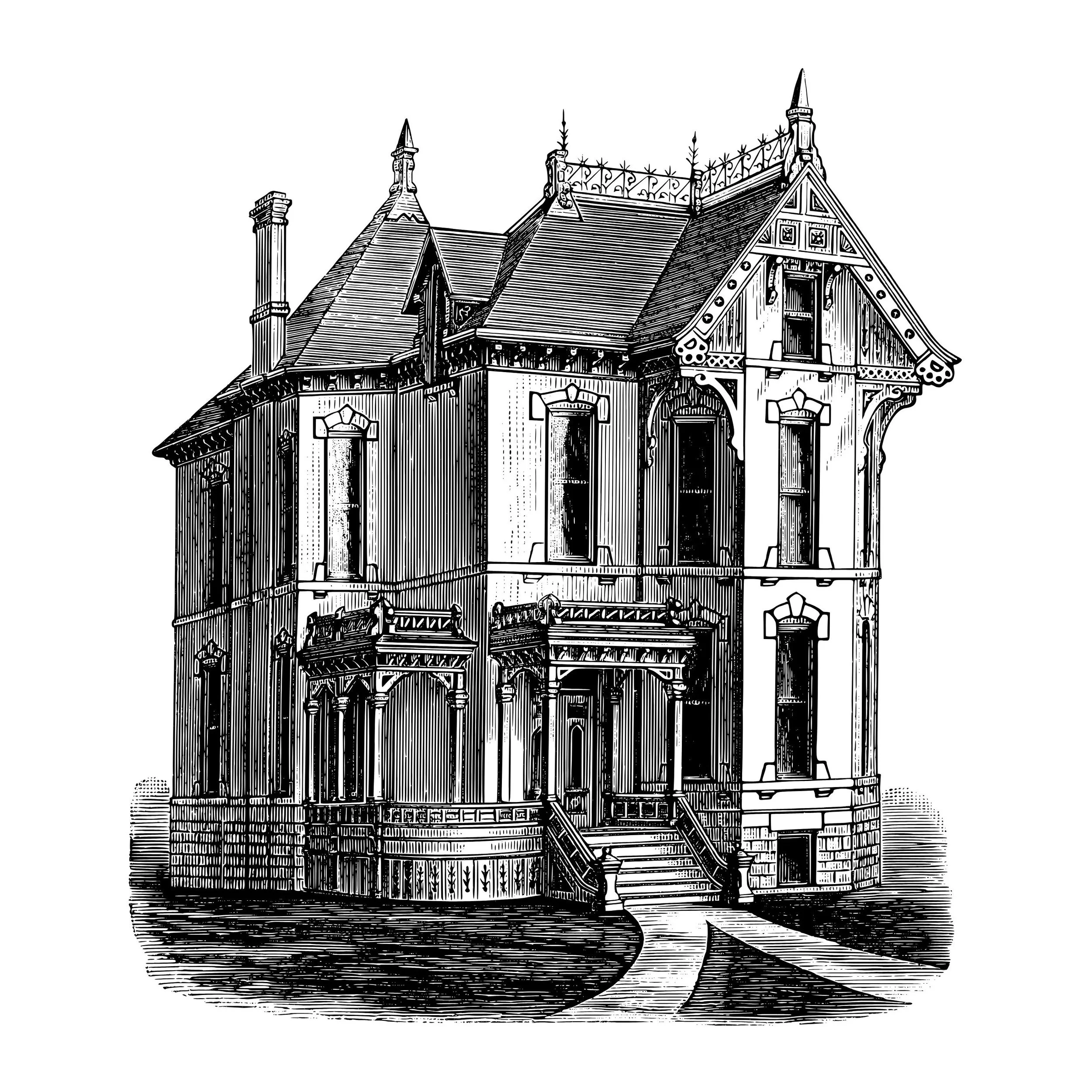
Single-Family House
In a densely populated area
White families or individual White people enslaved a small number of Black people, between 1 and 10 or more, depending on the size of the house and the size of the family
-
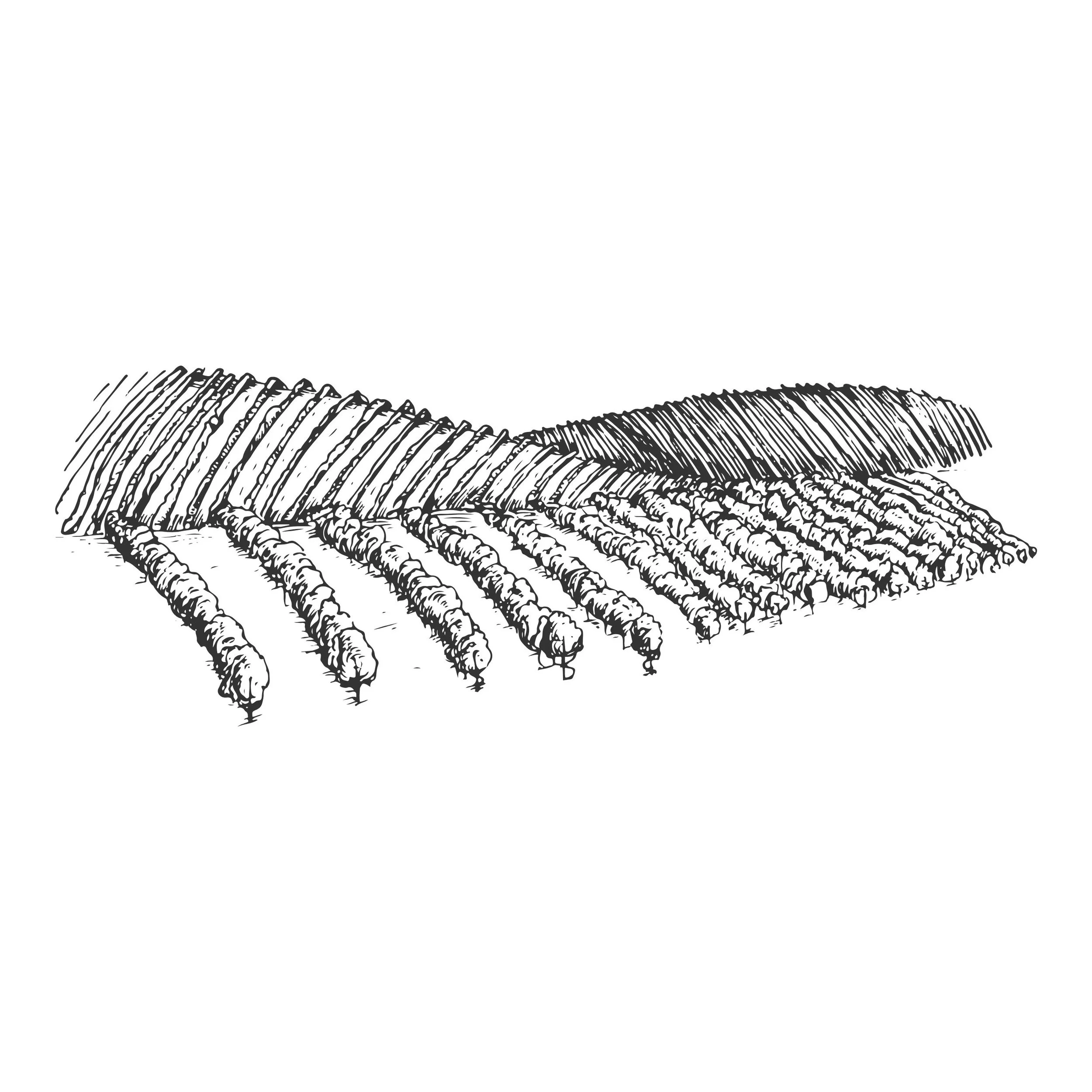
Acres of Agrarian Land
In a rural area
White families or individual White men or White women enslaved Black people numbering from 20 to thousands
-
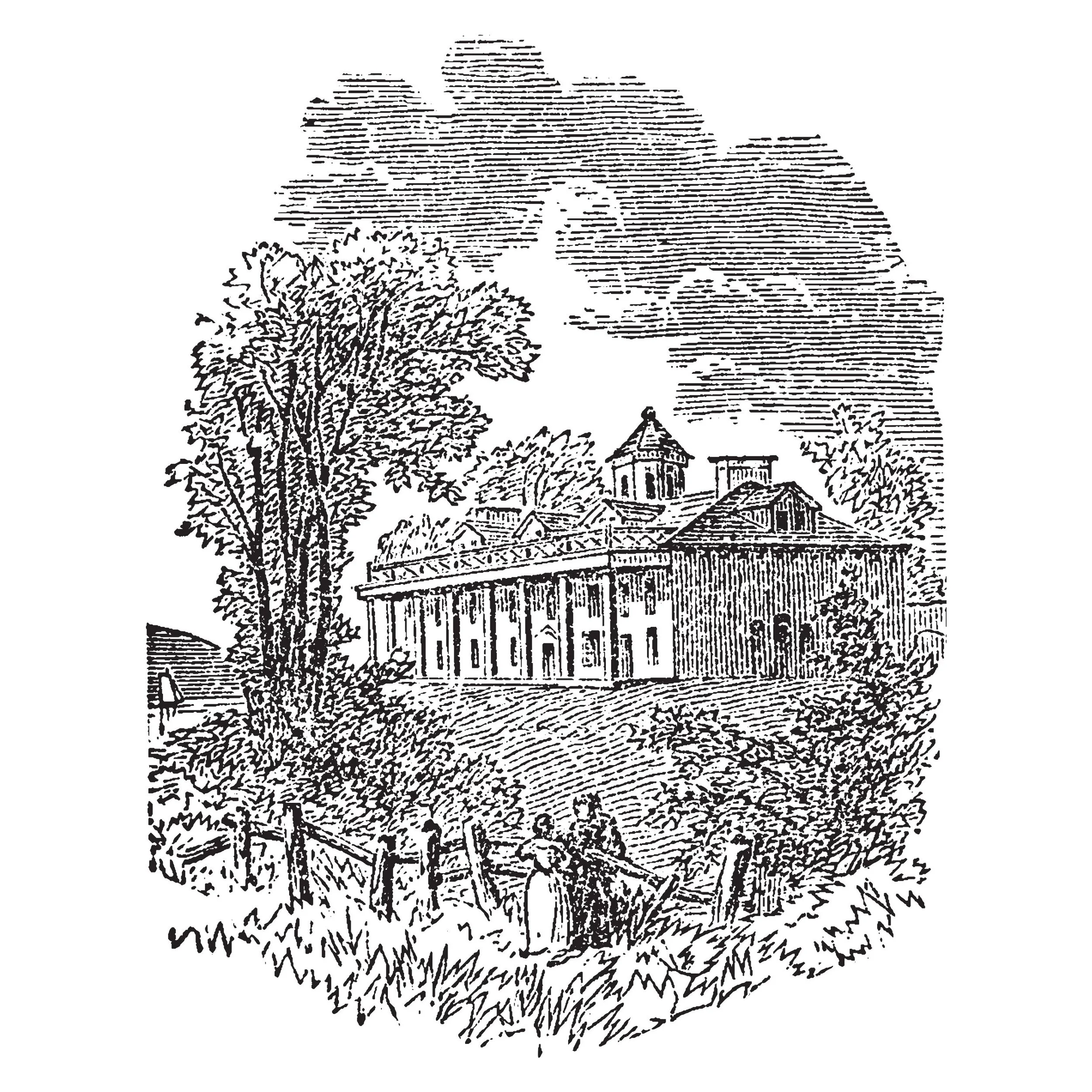
Single-Family House with Outbuildings on Acres of Agrarian Land
In a rural area
White families or individual White men or White women enslaved Black people numbering from 20 to thousands
-
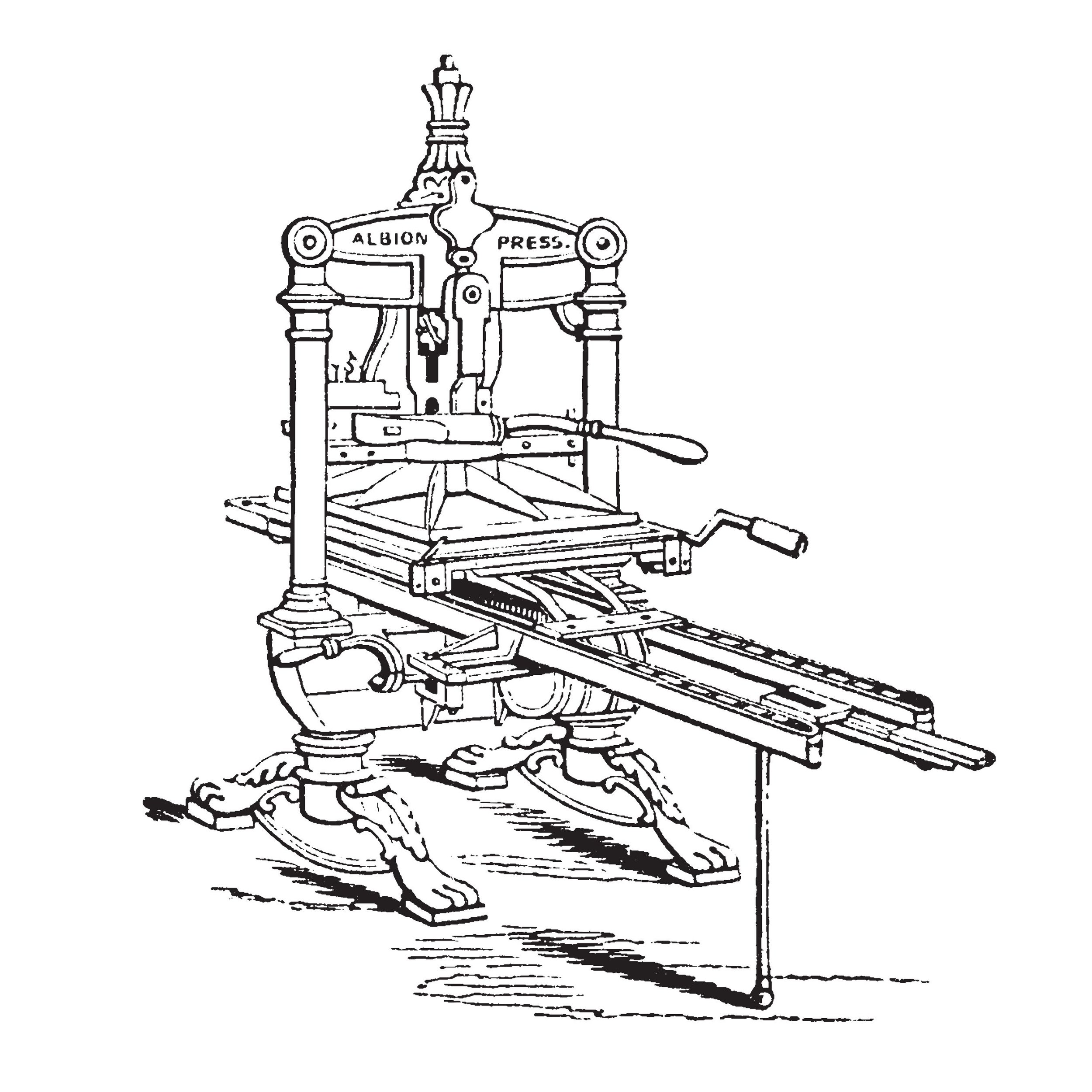
Place of Business
In a densely populated area
White business owner profiting from the labor of a Black person (child or adult) whom they enslaved, such as a printing press in the Northeast
-
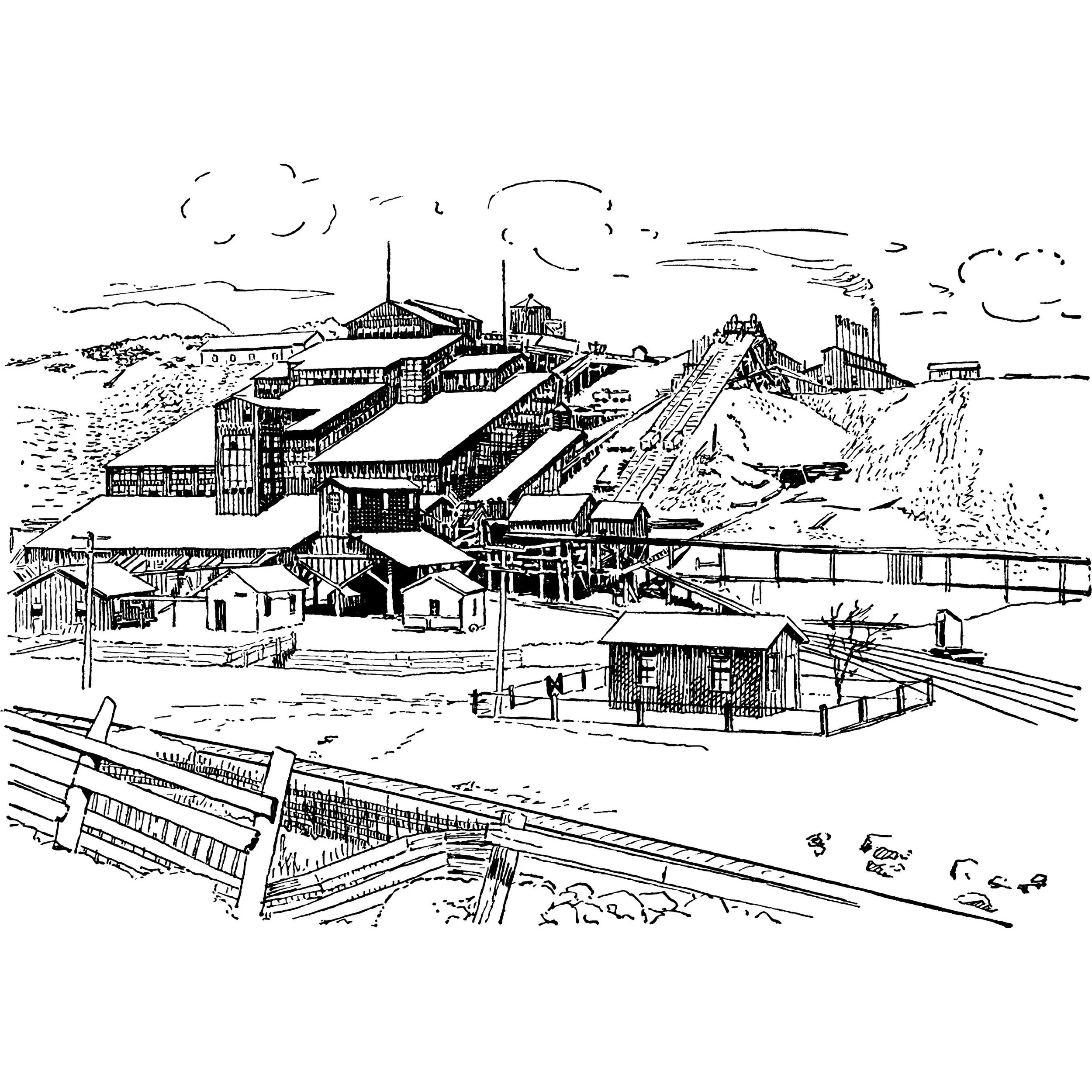
Salt + Mineral Mines
In a rural area
White families or individual White people profited from the labor and ingenuity of Black people, typically Black men and boys, whom they enslaved to work in salt and other mineral mines, such as in southern Illinois and Pennsylvania
-
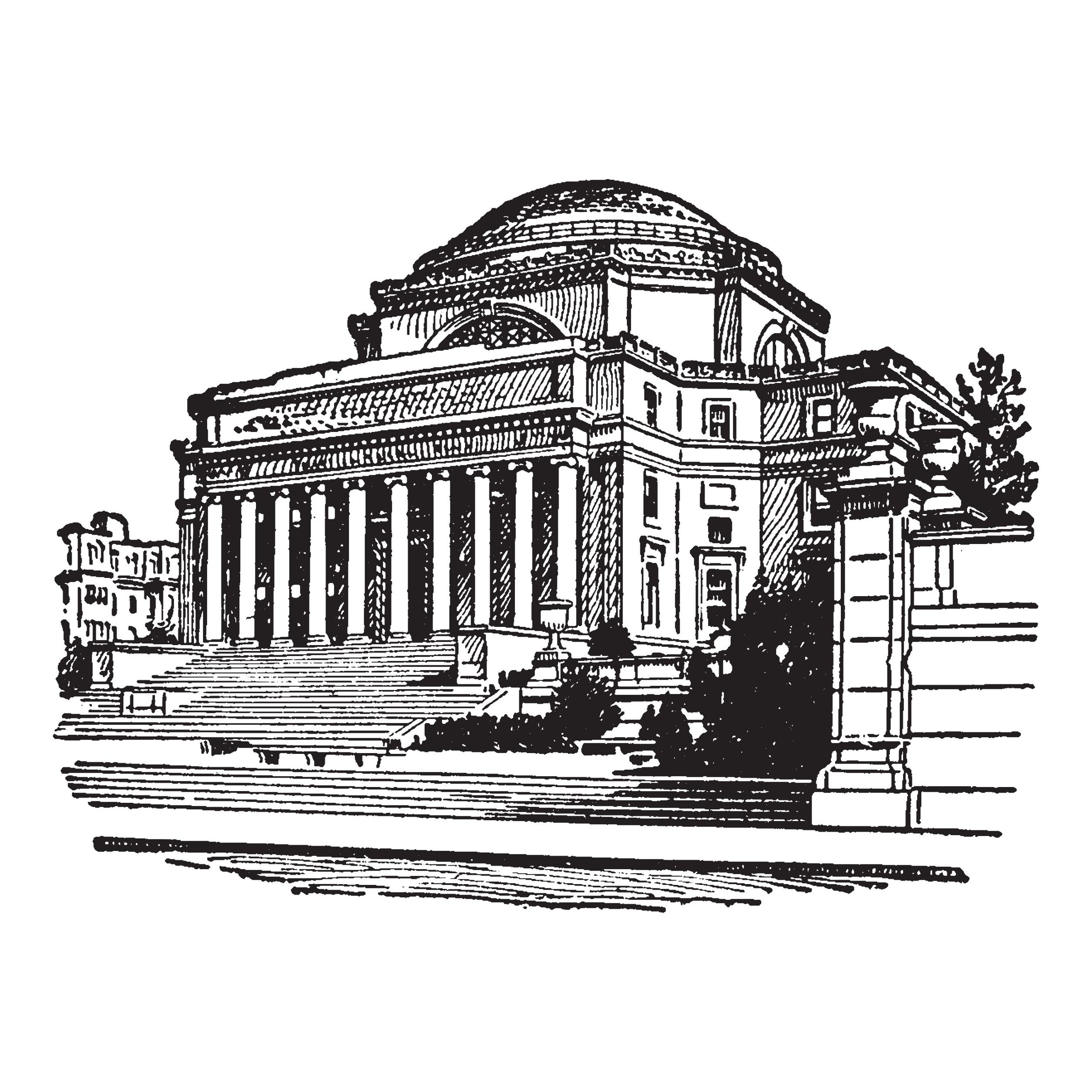
Schools
White professors, White students, and White administrators benefited from the labor and ingenuity of the Black people they enslaved on university, college, and secondary school campuses
-
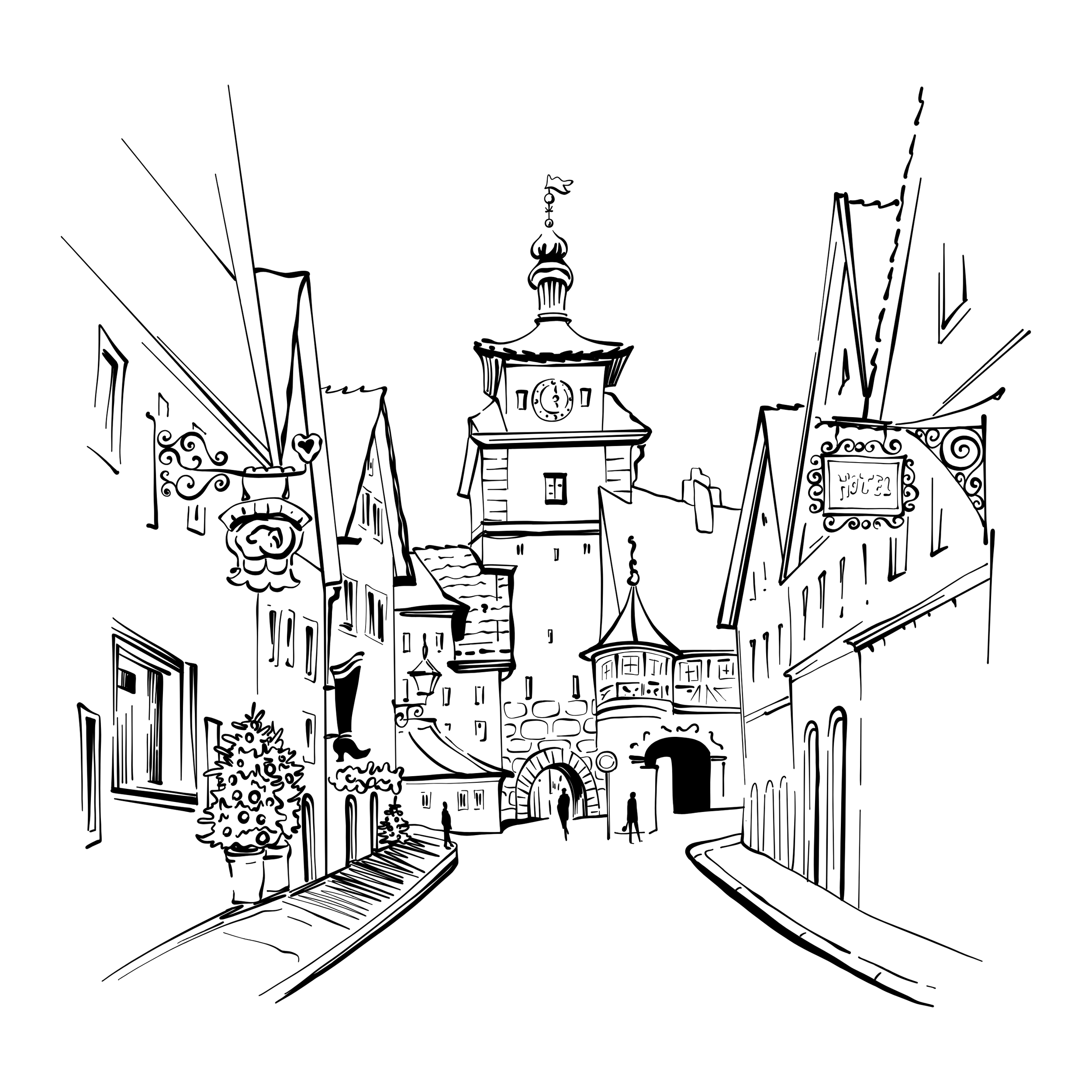
An Entire City
White-led city governments profited from the unpaid labor of Black people they enslaved to build city infrastructure such as roads. See Nashville, TN, in the Atlas, which enslaved 33 Black people (1846 - 1861).
-
Military Fort
White military officers brought the Black people they enslaved with them to their assigned fort, such as Fort Snelling in present-day Saint Paul, MN (added Sept. 20, 2026)
Why is the word “Plantation” in quotation marks?
The quotation marks acknowledge that “plantation” is not the best term to describe these historic heritage sites.
The quotation marks acknowledge that the word “plantation” is a euphemism, a type of redacted language, a stand-in for words that more appropriately describe the violent history that took place at these historic heritage sites: forced labor camps, and in some cases, forced death camps (see the sugar plantations).